jeudi 12 mars 2020 mars 12, 2020

Microsoft Adds A Secret SkiFree-Like Surfing Game Into Its Edge browser

Microsoft has now made the Edge’s Surf game Easter egg available as an offline game in its browser. This offline game is very similar to SkiFree, a classic skiing game that was released in 1991 for Microsoft’s Entertainment Pack 3 for Windows.
The game is now available for everyone to play, which you can access via edge://surf/ if you are on Edge version 82 onwards. Microsoft has added this to Edge Canary and Dev builds of the browser, and it is expected to appear in the main stable version of the browser soon.
Also Read- Best Browser Games
The new version now supports three new modes: a classic surf mode, a time trial, and a slalom mode where you surf between gates. It also has support for keyboard, mouse, touch, or gamepad, and local high scores. The purpose of the game is to ride the waves as far as you can while avoiding obstacles and the Kraken.
This is how Microsoft’s William Devereux describes the game, complete with screenshots:
  • Reach the end of the course as fast as you can. Collect coins to help you achieve an even shorter time. The course is always the same—can you find the shortest possible route?
  • Surf through as many gates as you can in a row! Your streak will reset if you miss a gate, but you can keep playing until you run out of lives
Check out the video demo below:

The edge://surf game is now available as the offline game in Microsoft Edge! We've made a ton of improvements based on your feedback. Here's what's new in Canary/Dev:

🏄‍♂️ 3 new modes!
🎮 Play with keyboard, mouse, touch, or gamepad
🏆 High scores
🌊 Improved UX
🎁 And much more!

215 people are talking about this

The game certainly looks like a fun time-killer to play when you are stuck without an internet connection.
Do let us know what you think of this offline game, can it beat google chromes dinosaur browser game?
Also Read- Best Roblox Games

Download Guide — Advanced Threat Protection Beyond the AV

At a certain point, almost every organization reaches the conclusion that there is a need to move past just the standard AV and firewall stack in order to soundly protect their environment.
The common practice in recent years is to gain extra protection through implementing either EDREPP solutions (represented by vendors like Crowdstrike and Carbon Black) or Network Traffic Analysis/NDR solutions (such as Darktrace and Vectra Networks). Fortune 500 companies who have large security teams, would usually choose to buy and implement both.
A recently published guide, ‘Advanced Threat Protection Beyond the AV’ (download here) is the first resource that not only guides security executives through the pros and cons of each solution type but also outlines a best-practice approach that allows the “non-Fortune 500” companies to combine the advantages of both approaches – without actually buying both.
The proliferation of advanced threats in the decade has gradually led CISOs and other security professionals to acknowledge that both perimeter protection, as well as signature-based endpoint protection, cannot protect against the sophistication and creation volume of polymorphic malware, fileless attacks, exploits, the numerous post-exploitation techniques for reconnaissance, credential theft, lateral movement, and data exfiltration.
This insight has led to massive growth in solutions that implement either one of two approaches:
1. Place your protection on the Endpoint – This approach is founded on the notion that since malware execution is a substantial part of most, if not all, attacks. The solution for advanced threats should come from monitoring both executed files and running processes, using innovative technologies to identify and block/alert malicious files or processes without relying on known signatures.
In terms of market categories, it falls into the Endpoint Protection Platform (EPP), Next-Generation Antivirus (NGAV), and Endpoint Detection and Response (EDR).
Advanced Threat Protection
2. Place your protection on monitoring the Network Traffic – This approach is founded on the notion that malicious presence and activity within a compromised environment inevitably entail anomalous endpoint, network, and user behaviors that would never occur under normal circumstances.
Following this logic, continuous monitoring of these entities’ behavior as reflected in the network traffic they create, enables the establishment of a behavioral baseline, and identify attacks based on the deviations they create. In terms of market categories, this approach falls into Network Traffic Analysis (NTA) and Network Detection and Response (NDR).
Advanced Threat Protection
While each of these approaches provides substantial protection capabilities comparing to legacy, signature-based solutions they radically vary from each other in their implantation, infrastructure, and most importantly, in the type and scope of threats each approach protects from.
The Advanced Threat Protection Beyond the AV Guide dives deep to explain the differences between the endpoint and network-based approaches, specifying the pros and cons of each and leading to the conclusion that the best protection against cyber-threats entails combining the capabilities of both approaches.
The Advanced Threat Protection Beyond the AV is an ideal knowledge resource for several types of security buyers:
  • Large enterprises that have a well-resourced security team that operate an already existing multi-product security stack. These organizations ultimately will deploy both solutions side by side but need to prioritize and evaluate them against the products they already have in place.
  • Mid-market companies that would typically make a single ‘advanced security’ investment, and need to gain precise knowledge on the nature of protection this investment translates to.
  • Any organization that historically deployed a solution from either approach and is actively experiencing a security gap. This type of buyer should have the tools to learn if these gaps can be addressed by a solution from the other approach.

lundi 9 mars 2020 mars 09, 2020

LG V60 ThinQ 5G With Dual Screen Announced: Features And Pricing

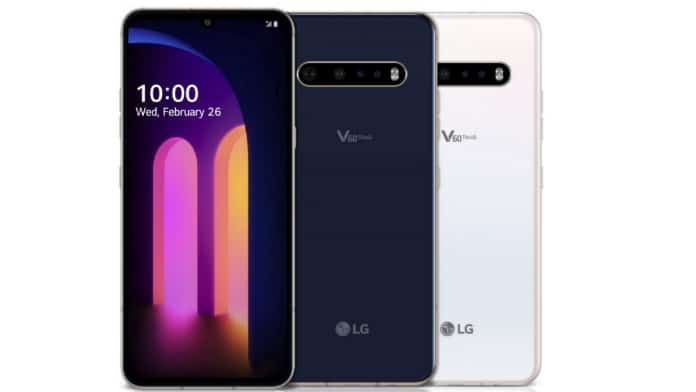
LG V60 ThinQ 5G
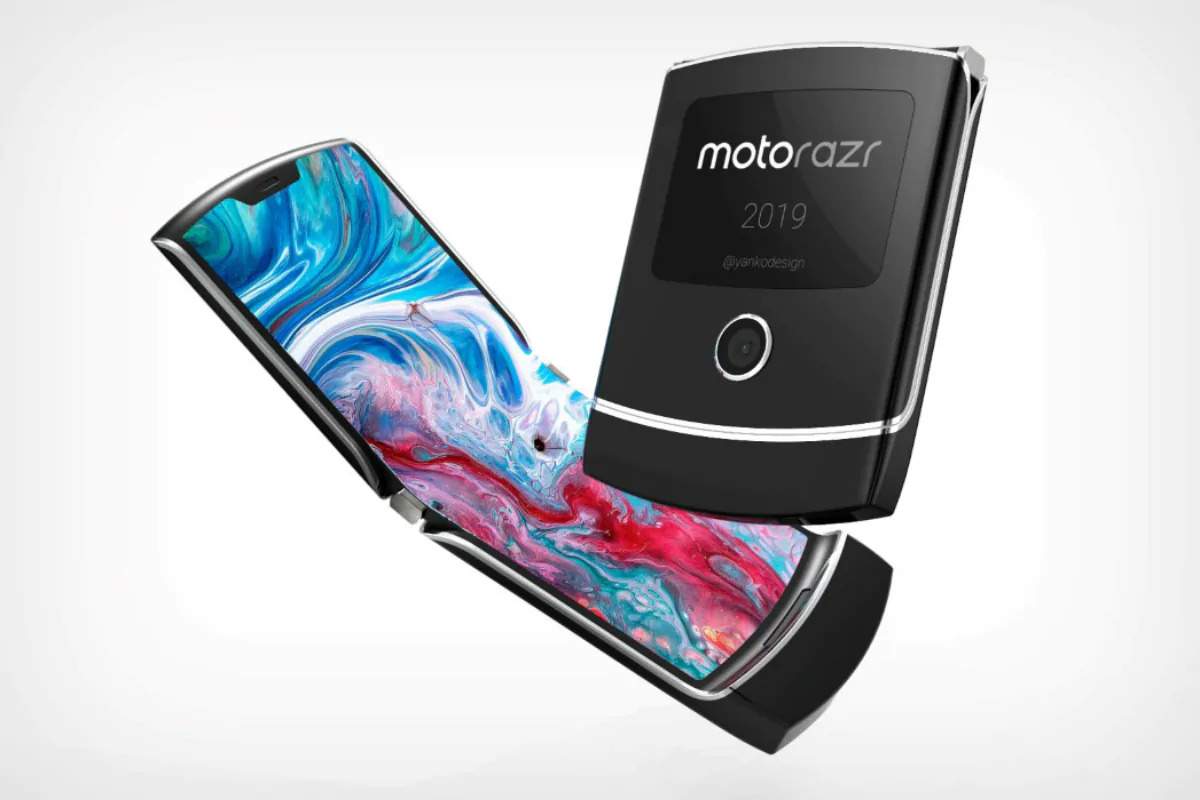
Foldable smartphones gained immense hype in 2019. Every major smartphone manufacturer took a different approach and showcased its variant of a foldable phone.
In fact, a few companies like Samsung and Motorola have already started selling the first-generation foldable smartphones.
LG has recently introduced the V60 ThinQ 5G, the successor of last year’s V50 ThinQ 5G. Unlike any other foldable device in existence, LG took a slightly different approach and made the secondary display of V60 ThinQ 5G as an accessory that can be added or removed whenever a user wants to.
So here’s everything you need to know about the LG V60 ThinQ 5G.

LG V60 ThinQ 5G: Specifications & Features

As you might know, LG’s ThinQ smartphone lineup is a flagship smartphone series. Consequently, LG offers the best in class hardware coupled with reliable software support on this series, and the latest LG V60 ThinQ 5G is no exception.
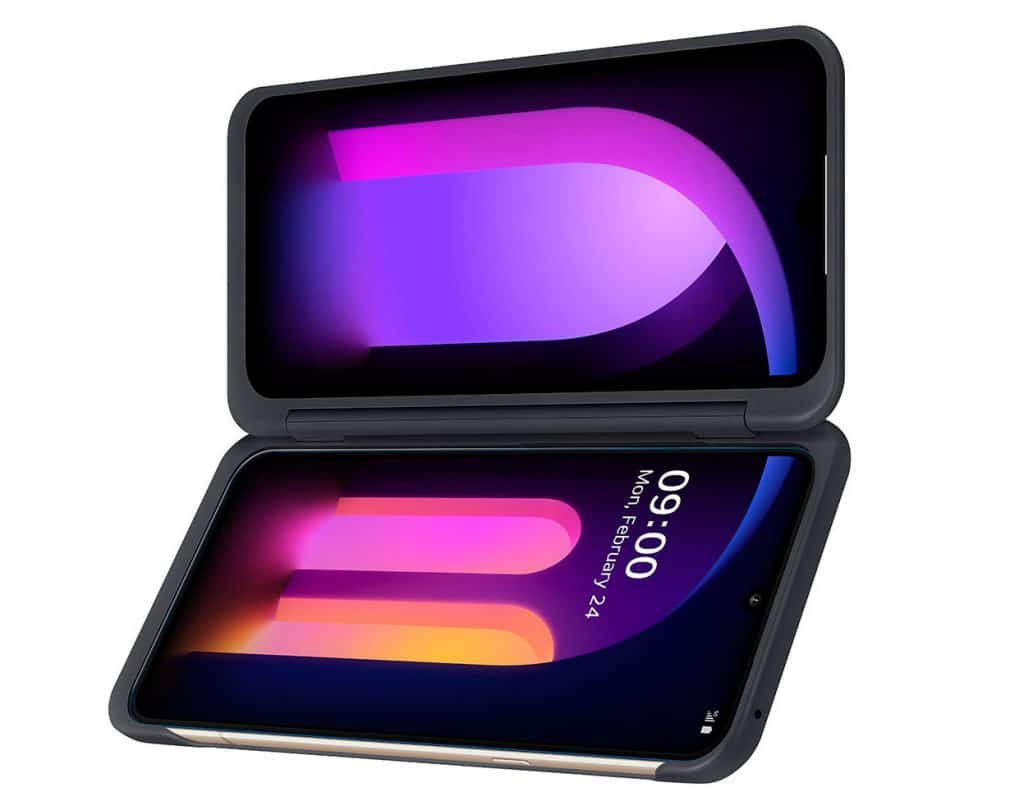
In reality, the LG V60 ThinQ 5G is not a truly foldable phone. However, this 5G capable smartphone relies on a new dual-screen accessory to function as a foldable device. The dual-screen accessory acts as a case to the V60 ThinQ, and it packs a 6.8-inch OLED FHD+ display with a resolution of 2460 x 1080 pixels.
LG-V60-ThinQ-Dual-Screen
Additionally, there’s a small 2.05-inch (256?64 pixels) PMOLED Mono cover display. This cover display comes in handy when the smartphone is completely folded, and it displays vital information for easy access at a glance.
The dual-screen accessory connects to the smartphone via the USB Type-C port, and it even draws power from the V60 ThinQ 5G. Luckily, there’s a 360° Freestop Hinge on this accessory, which makes it easier to adjust the folding angle of this smartphone for different tasks like multitasking, gaming, and media consumption.
LG V60 ThinQ 5G Specifications
  • 6.8-inch FHD+ FullVision P-OLED Display with a resolution of 2460 x 1080 pixels and an aspect ratio of 20.5:9, HDR10+
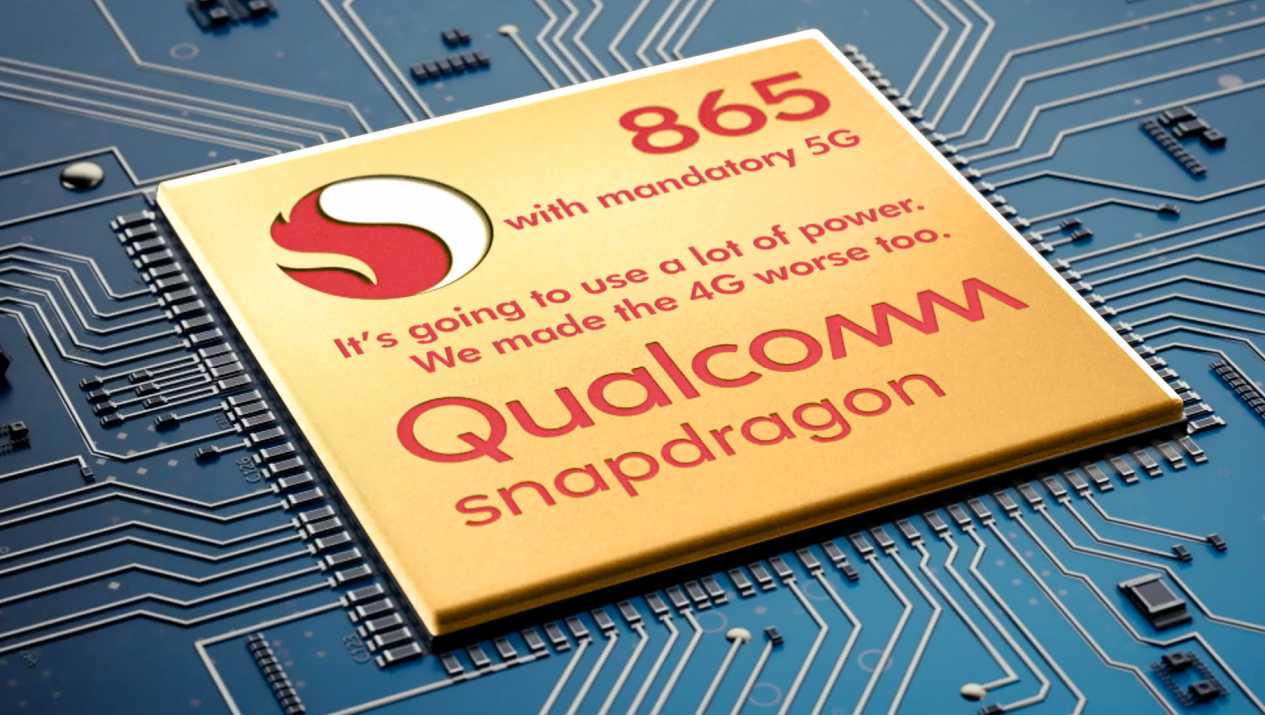
  • Octa-Core Qualcomm Snapdragon 865 7nm Processor with Snapdragon X55 5G Modem
  • Adreno 650 GPU
  • 8GB LPDDR4x RAM
  • 128GB / 256GB storage, expandable memory up to 2TB with microSD
  • Android 10
  • 64MP rear camera with f/1.8 aperture, 0.8µm pixel size, 78° lens, 13MP super-wide camera with f/1.9 aperture, 1.0µm pixel size, 117° lens, Z Camera (ToF Receiver / Emitter)
  • 10MP front camera, f/1.9 aperture, 1.22?m pixel size, 72.5° lens
  •  In-Display Fingerprint Sensor
  • Water, dust resistant (IP68), MIL-STD 810G certified
  • 3.5mm audio jack, 32-bit Hi-Fi Quad DAC, Stereo Speaker, 4Ch Microphones, LG 3D Sound Engine, FM Radio
  • 5G, 4G VoLTE, Wi-Fi 802.11 ax, Bluetooth 5.1 LE, GPS, NFC, USB Type-C (3.1 compatible)
  • 5,000mAh battery with Qualcomm Quick Charge 4+
The P-OLED display of the LG V60 ThinQ 5G is ideal for media consumption and the flagship Qualcomm Snapdragon 865 processor that powers this smartphone can easily handle heavy multitasking, long gaming sessions, and all sorts of resource-intensive tasks that you throw at it.
Snapdragon 865
Similar to the recently launched Samsung Galaxy S20+ Ultra, the LG V60 ThinQ 5G can record 8K videos and the dual-camera setup coupled with a time of flight (ToF) sensor on this smartphone offers great versatility to the shooter.
LG is among the many few smartphone makers that still care about the audiophiles. The V60 ThinQ 5G comes with a 3.5mm audio jack with 32-bit Hi-Fi Quad DAC. You can use this dedicated to power proffessional headphones and it drastically improves the overall audio quality of this smartphone.

Lastly, LG took a wise decision to pack a 5000mAh battery. This battery can effortlessly power the V60 ThinQ 5G coupled with the dual-screen accessory for a day with heavy to moderate usage.

Pricing And Availability

As of now, LG hasn’t unveiled the official pricing of the LG V60 ThinQ 5G. That said, we can expect this flagship smartphone to launch in the $900 to $1000 price range. The LG V60 ThinQ will be available in Classy Blue and Classy White color variants and will roll out in North America, Europe, and Asia starting next month.

LG V60 ThinQ 5G Vs Microsoft Surface Duo: Who Did It Better? 

A few months ago, Microsoft announced it’s first foldable Android smartphone namely the Microsoft Surface Duo. This productivity-focused smartphone sports dual-screen with a 360° hinge to manage the folding angle as per users’ preference.
Microsoft Surface Duo boasts dual 5.6-inch screens, but once you unfold it this can be used as an 8.3-inch tablet-like device. This foldable smartphone from Microsoft will run on a custom skin that will be based on Android. We can expect Microsoft to tweak the software of this smartphone to take advantage of the secondary display.
The Microsoft Surface Duo will be launched in Q4 2020.

As you might have guessed, the approach taken by LG and Microsoft towards foldable smartphones is somewhat similar. That said, the secondary display of Surface Duo is permanently attached. On the other hand, the one on LG can be removed or attached.
Both these Android devices are productivity-focused and they are perfect for most users. However, as per the 2020 standards, the LG V60 ThinQ 5G is a more practical device.

Should You Buy A Foldable Smartphone In 2020?

A Foldable smartphone can be considered as a device that boasts powerful internals and comes with the ability to customize its form-factor as per users’ preference. This new technology is still in its initial stages.
Consequently, the first-generation foldable phones are not the perfect devices and if you are planning to become an early adopter of this modern technology it would be a wise decision to wait for the second-generation devices.
Motorola Razr
Another major reason why foldable phones won’t have many early adopters is the high price tag that these devices are sold. That said, the technology might become mainstream in the upcoming years and the price tag could also come down.
Also Read- Best 5G Smartphones
Do share your thoughts and opinions on Foldable smartphone in the comments section below.

dimanche 8 mars 2020 mars 08, 2020

This Realistic Child Robot Can ‘Feel’ Pain


If you think that robots don’t feel any pain, you may want to think twice, as Japanese scientists from Osaka University have developed a suitably creepy robot-child that is capable of feeling pain.
The highly realistic-looking robot child named “Affetto” unveiled first in 2011 has now been incorporated with an artificial synthetic skin that allows it to detect changes in pressure. It can feel and distinguish between a light touch or a hard hit. 
The team behind the robot said that this would help robots understand emotional and physical pain like human beings. 
The group of scientists from Osaka University, led by Professor Minoru Asada, explained: “Engineers and material scientists have developed a new tactile sensor and attached it to a child robot called Affetto that has a realistic face and body skeleton covered in artificial skin.
“Affetto can discriminate soft and hard touches from the detected signals, and studies show that attaching skin sensors to Affetto helps it avoid ‘pain.’ ‘Social’ robots are being programmed to show empathetic reactions to pain in others through a mirroring mechanism similar to that reported in humans.”
Affetto equipped with an artificial in-built pain sensor system powered by artificial intelligence (AI) responds to sensations with a variety of facial expressions, including smiling, frowning and grimacing. This was made possible by using soft skin-like material covering the robot that can move using 116 different facial points.
“We are embedding a touch and pain nervous system into the robot to make the robot feel pain so that it can understand the touch and pain in others. And if this is possible, we want to see if empathy and morality can emerge,” Prof Asada said. 
“We are aiming to construct a symbiotic society with artificially intelligent robots, and a robot that can feel pain is a key component of that society.”
The main aim of the research is to develop more realistic “social” robots that can have interactions with humans on a deeper level. The robots could provide emotional and physical assistance to Japan’s ageing population, Prof Asada added.
While this may sound like a long-term dream, Japan is already employing robots in nursing homes, offices and schools to help cope with its ageing society and decreasing workforce.

Google Advises Android Developers to Encrypt App Data On Device

Google today published a blog post recommending mobile app developers to encrypt data that their apps generate on the users’ devices, especially when they use unprotected external storage that’s prone to hijacking.
Moreover, considering that there are not many reference frameworks available for the same, Google also advised using an easy-to-implement security library available as part of its Jetpack software suite.
The open-sourced Jetpack Security (aka JetSec) library lets Android app developers easily read and write encrypted files by following best security practices, including storing cryptographic keys and protecting files that may contain sensitive data, API keys, OAuth tokens.
To give a bit of context, Android offers developers two different ways to save app data. The first one is app-specific storage, also known as internal storage, where the files are stored in a sandboxed folder meant for a specific app’s use and inaccessible to other apps on the same device.
The other is shared storage, also known as external storage, which sits outside the sandbox protection and is often used to store media and document files.
However, it has been found that the majority of the apps use external storage to store sensitive and private data on users and don’t take adequate measures to protect it from other apps, allowing attackers to steal photos and videos, and tamper files (called “Media File Jacking”).
The consequences of the same were demonstrated two years back with the “man-in-the-disk” attacks that make it possible for attackers to compromise an app by manipulating certain data being exchanged between it and the external storage.
Another research demonstrated a side-channel attack using which attackers can secretly take pictures and record videos — even when they don’t have specific device permissions to do so, but only by leveraging access to the device’s external storage.
To prevent such attacks, Android 10 ships with a feature called ‘Scoped Storage‘ that sandboxes each app’s data in the external storage as well, thereby limiting apps from accessing data saved by other apps on your device. But JetSec library takes it one step further by offering an easy-to-use solution to encrypt data for an extra level of protection.
“If your app uses shared storage, you should encrypt the data,” the company outlined. “In the app home directory, your app should encrypt data if your app handles sensitive information including but not limited to personally identifiable information (PII), health records, financial details, or enterprise data.”
What’s more, Google is also recommending that app developers should combine encryption with biometric information for added security and privacy.
The Jetpack Security library was originally previewed last May at its annual developer conference. It comes as part of an expansion of Android Jetpack, a collection of Android software components that helps developers follow best practices and design high-quality apps.

You Can Help Create A Coronavirus Vaccine By Playing This Game


COVID-19, otherwise known as the novel coronavirus, is an ongoing global outbreak that has affected over 97 countries and territories. Declared as a public health emergency by the World Health Organisation (WHO), there is currently no vaccine to completely stop this global epidemic. 
However, a team of researchers at the University of Washington (UW) in Seattle have come up with an unusual technique to combat the COVID-19 virus outbreak: video games, providing a glimmer of hope in this gloom and doom time.  
Foldit, the crowdsourcing online puzzle video game that was launched in 2008, is being used by the researchers to learn more about the coronavirus.
In this video game, humans try to solve one of the hardest computational problems in biology: protein folding. Players fold proteins to understand their structures, which is “key to understanding how [a protein] works and to targeting it with drugs,” UW researchers say. 
The developers of Foldit have now released a new puzzle called “Coronavirus Spike Protein Binder Design,” which encourages scientists and members of the general public to step in and help to find a vaccine to curb the current coronavirus outbreak. 
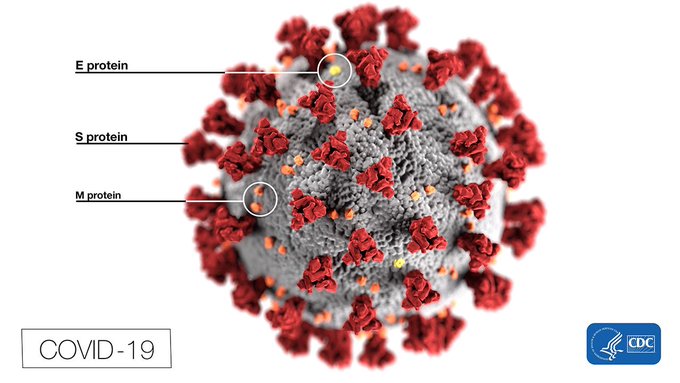
The target of the coronavirus puzzle is a “spike protein” that allows the virus to infect human cells. The puzzle’s goal is to design a “binder” protein that sticks to the spike.
“Coronaviruses display a ‘spike’ protein on their surface, which binds tightly to a receptor protein found on the surface of human cells,” states the puzzle description on the website.   
“Once the coronavirus spike binds to the human receptor, the virus can infect the human cell and replicate. In recent weeks, researchers have determined the structure of the 2019 coronavirus spike protein and how it binds to human receptors. If we can design a protein that binds to this coronavirus spike protein, it could be used to block the interaction with human cells and halt infection.” 
This new puzzle has two different “difficulty levels”. In the easy level, players fold an existing coronavirus binding protein, while the harder level requires the players to design a new protein from scratch. Players of Foldit can compete against one another or they can collectively work to find out the best solutions. The most promising protein design will be tested at UW’s Institute for Protein Design.
Today we're calling on YOU to help design antiviral proteins against :https://fold.it/portal/node/2008926 

The most promising solutions will be manufactured & tested at the Institute for Protein Design (@UWproteindesign) in Seattle.
View image on Twitter
1,051 people are talking about this
“We want to give Foldit players the opportunity to design proteins that can bind to the spike protein and prevent infection”, explained Foldit scientist Brian Koepnick in a video. “What Foldit players will be doing is trying to design a new protein that can block this binding event. This could be used as an antiviral drug, something you could administer that would slow down or halt infection of coronavirus.”
He, however, pointed out that it could take a while until we get a working solution. “We do want to emphasise that, like all the research we do, laboratory testing takes time to see if these molecules are safe and effective against coronavirus.” 

If you are interested in creating an antivirus protein design, you can go to free-to-download Foldit game for Windows, Mac, and Linux. Once you download the game, you need to sign up after which you can start playing the tutorial puzzles.